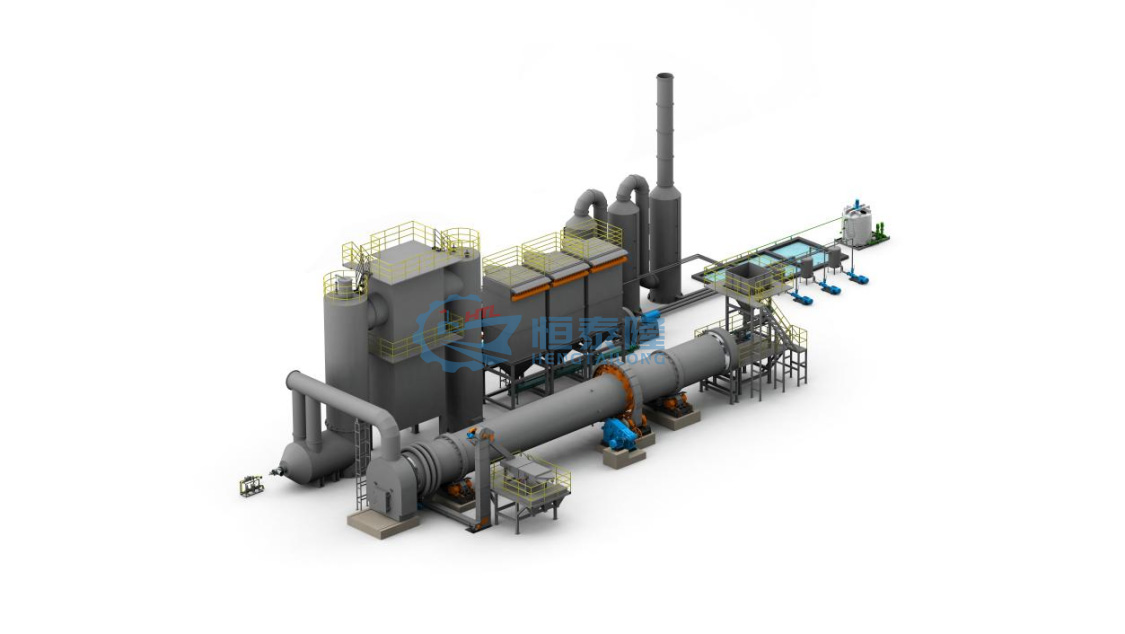
The production of activated carbon involves key steps such as raw material selection, carbonization, activation, and post-treatment. Different raw materials (wood, coal, fruit shells, etc.) and uses (water treatment, air purification, medicine, etc.) require adjustment of process parameters. The following are the core production points:
1. Raw material selection and pretreatment
1. Common raw materials and characteristics
Wooden coconut shell, wood, sawdust, high porosity, high iodine value (≥ 1000mg/g): used for high-end water treatment and gold extraction
Coal quality anthracite, brown coal, and bituminous coal: high mechanical strength, low cost, used for industrial waste gas treatment and solvent recovery
Walnut shell, apricot shell, medium porosity, low ash content (≤ 5%), used for food decolorization and pharmaceutical purification
Regenerated carbon, waste activated carbon (after VOCs adsorption), requires high-temperature regeneration (600-900 ℃) which adsorption capacity reducing, they can be recycled and used in cost sensitive fields.
2. Preprocessing key points
Crushing and screening: The particle size of the raw materials should be uniform (wood/fruit shell: 3-8mm; coal quality: 1-3mm).
Drying: The moisture content should be controlled between 10% and 15% (excessive moisture content can affect carbonization efficiency).
Additives (optional):
Phosphoric acid (H ∝ PO ₄): used in chemical activation methods to increase porosity.
Zinc chloride (ZnCl ₂): enhances the activation effect of wood materials (needs to be recycled to avoid pollution).